The Real Story - the truth behind Hamas
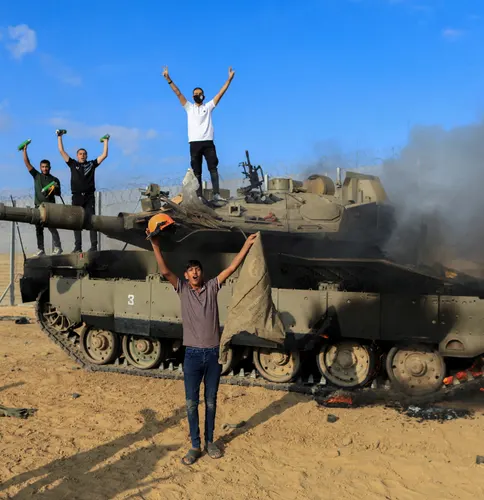
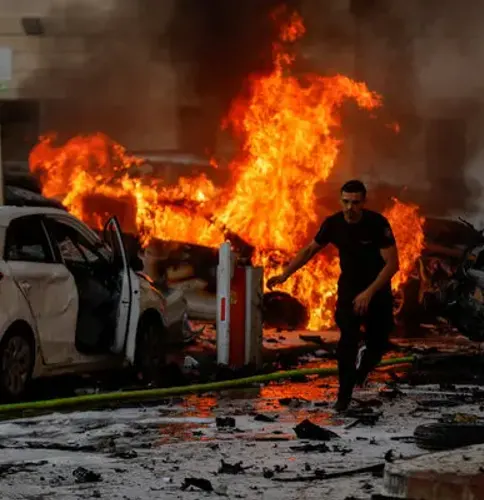
On October 7, 2023, on the morning of Simchat Torah, the deadliest terror attack in Israel's history began. At 06:29 some 4,300 rockets were fired at Israel in heavy barrages that covered the south and the centre of the country. Under that cover, around 6,000 terrorists - among them Hamas's Nukhba units, Islamic Jihad operatives and armed civilians - broke through more than 100 breaches in the border fence on tractors, in vehicles, on motorcycles and by paraglider. Naval commandos also tried to come ashore near Zikim beach. The squads pushed deep into Israeli territory and spread through more than 21 communities, kibbutzim and towns, among them Sderot, Netiv HaAsara, Nahal Oz, Re'im, Kfar Aza, Be'eri, Nir Oz, Magen, Alumim and Ofakim.
With unprecedented cruelty, the terrorists massacred innocent civilians - women, children, the elderly and infants. In Kibbutz Be'eri 97 civilians were murdered, in Kfar Aza 52, and in Nir Oz roughly a quarter of the community was murdered or taken hostage. At the Nova festival held beside Kibbutz Re'im, 378 young people were murdered out of some 3,500 who were there, dozens of them hunted down and killed in the open fields. At the same time army positions were overrun, among them Nahal Oz, Kissufim, Sufa and Erez - some held for hours - and many soldiers were killed and their weapons taken.
Alongside the killing, sexual violence was committed that day. Testimony from survivors, from rescue and identification teams and from former captives, together with documentation from the scenes, described women and men found naked, bound and injured at the Nova festival site, along Route 232 and in several of the communities. In March 2024 Pramila Patten, the UN Special Representative on Sexual Violence in Conflict, published a report finding clear and convincing information that rape and gang rape were committed at several locations on October 7, and reasonable grounds to believe that sexual violence was also used against hostages in captivity. Most of the victims were murdered on the spot and left no testimony, and the scenes were disturbed in the first days of fighting. That evidentiary gap was later used by those who set out to claim it never happened.
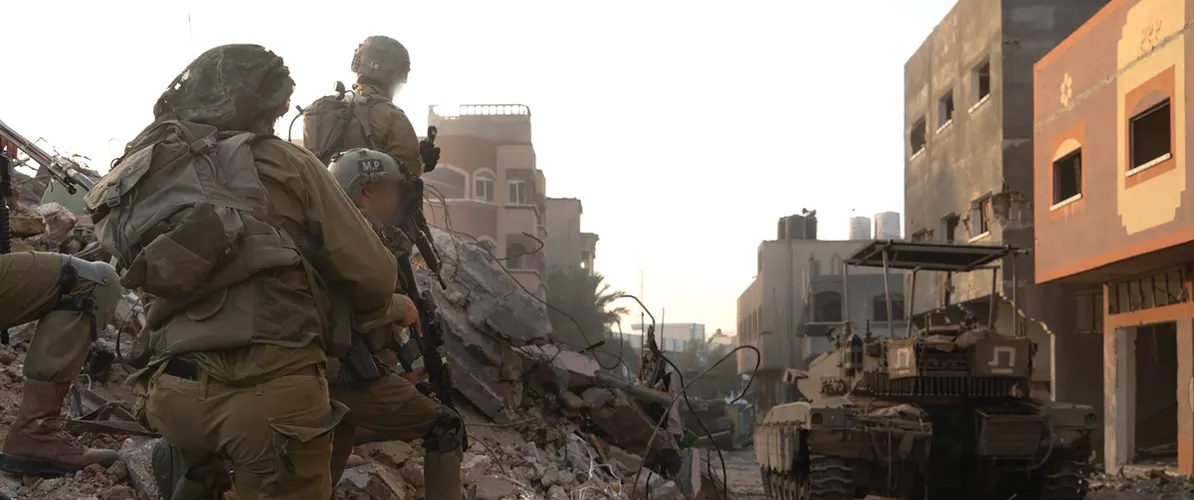
For the first time in decades Israel declared a state of war, and around 360,000 reservists were called up within days. The military response began at once, and forces worked for long hours to clear the ground, push the terrorists back and reach trapped civilians. A large share of the first fighters to arrive were armed civilians, police officers and local volunteers - people who went out to fight for their own lives, for their families and for everyone else in the country.
In the October 7 attack 1,175 people were murdered: 796 civilians, among them dozens of children, women, elderly people and infants, and 379 members of the security forces. More than 3,400 Israelis were wounded to varying degrees. In addition, 251 people - women, men, children, infants and the elderly, including foreign nationals - were abducted into the Gaza Strip.
The hostages were held for months in tunnels and in apartments across the Strip, some by Hamas and some by Gazan civilians who kept them in their homes. The accounts of those who came back describe hunger, darkness, restraints, lack of medical care, physical and psychological abuse and complete isolation from the world outside. Some hostages were murdered in captivity, among them six shot dead in a tunnel in Rafah in August 2024, shortly before troops reached them. Bringing them home took years and happened in three ways: deals in which hostages were exchanged for security prisoners, rescue operations by the security forces - among them Operation Arnon in Nuseirat in June 2024 - and the return of bodies for burial in Israel. In some cases a family learned of a death only when the body was identified.
Beyond the physical destruction, Hamas ran a deliberate campaign for the mind: its terrorists wore body cameras, filmed the murders, the rape, the arson and the looting, and spread the footage on social media to sow fear and harden their position. These were acts that are hard to comprehend. The Israeli government declared the Iron Swords war, which continues to this day, and the war escalated into a wider confrontation with Syria, Lebanon, Yemen and Iran.
October 7 became a dark landmark in Israel's history. The official inquiries point to a layered, systemic failure - in early warning, in tactical readiness and in command coordination. It was a traumatic day unlike anything before it, in scale, in cruelty and in what followed. It is burned into the national memory as the day Israeli civilians stood exposed to horrors beyond imagining, and also as the day on which many of them showed extraordinary courage, resolve and devotion to their country and to one another.
I have pursued mine enemies, and overtaken them: neither did I turn again till they were consumed.